
Mushroom Finds — August 2026
August 2026 — Property Walk
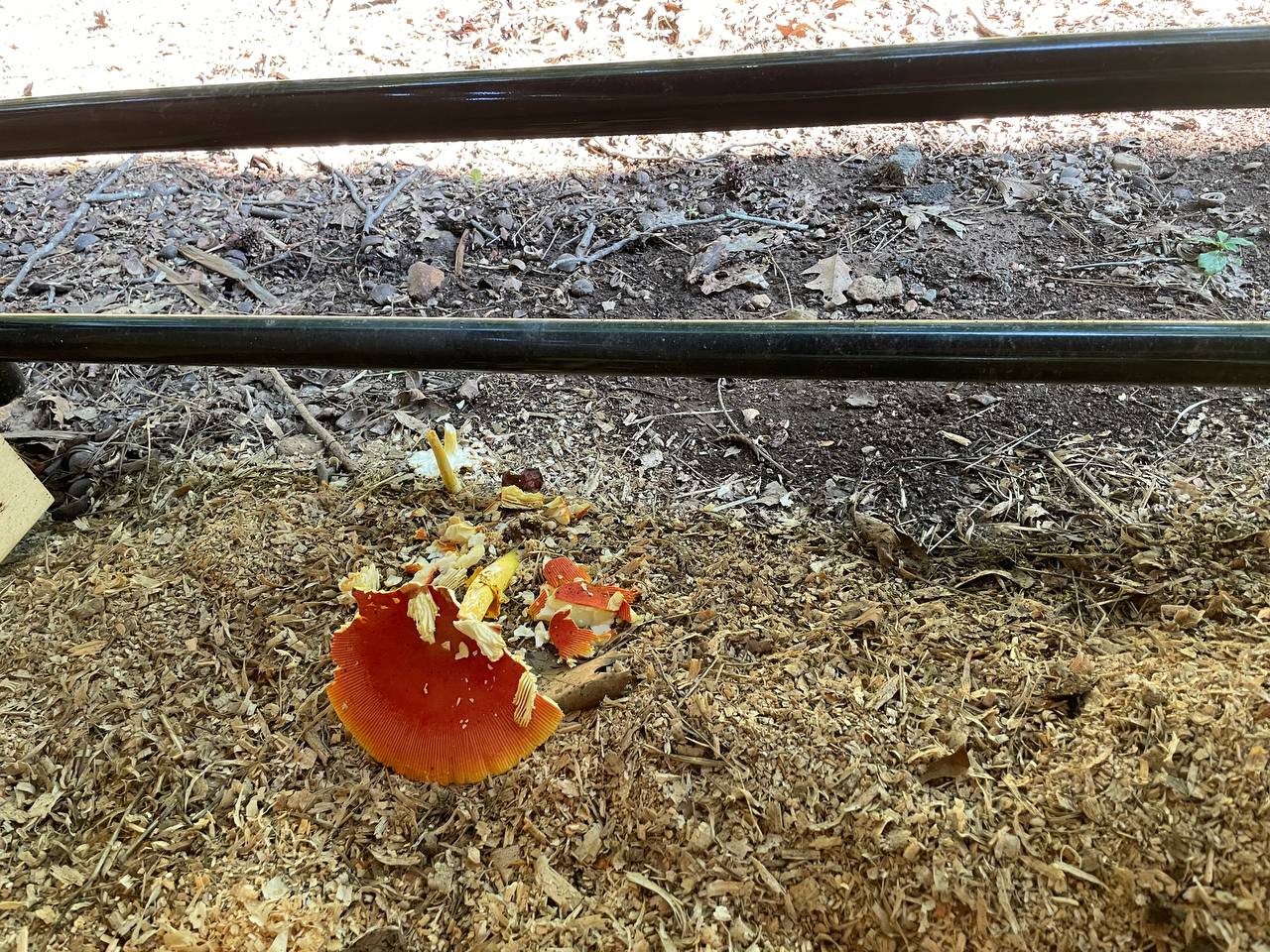
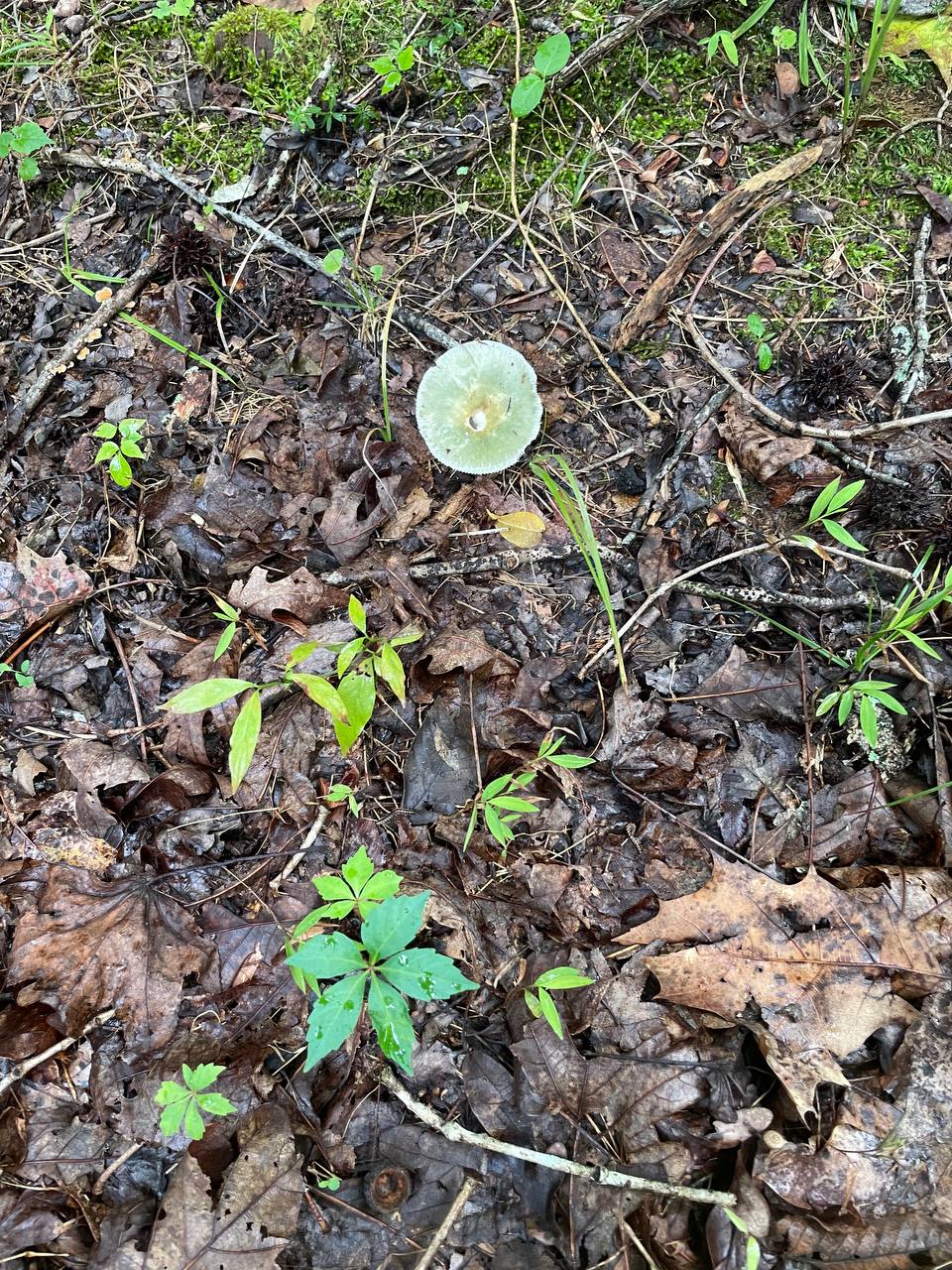
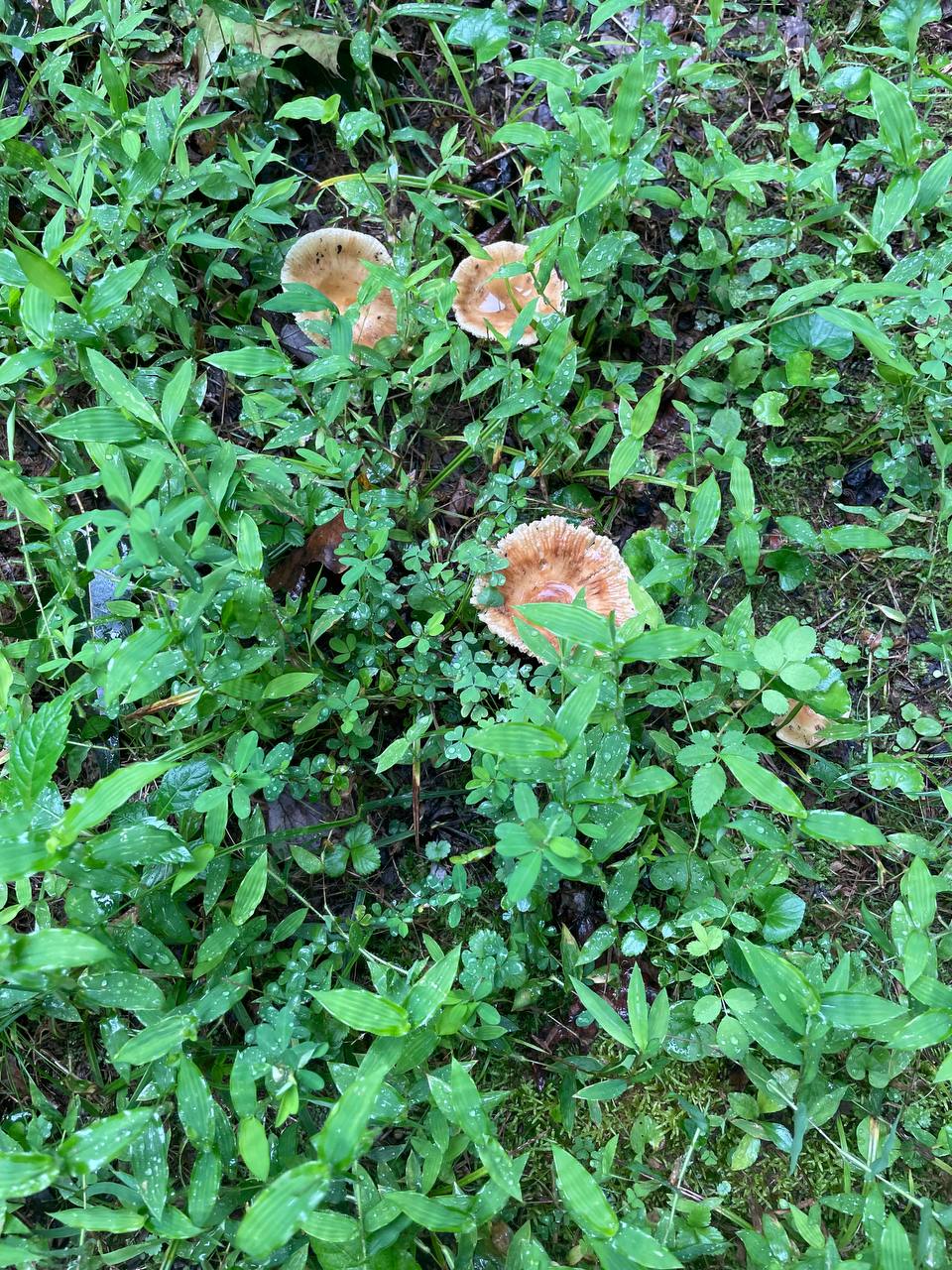
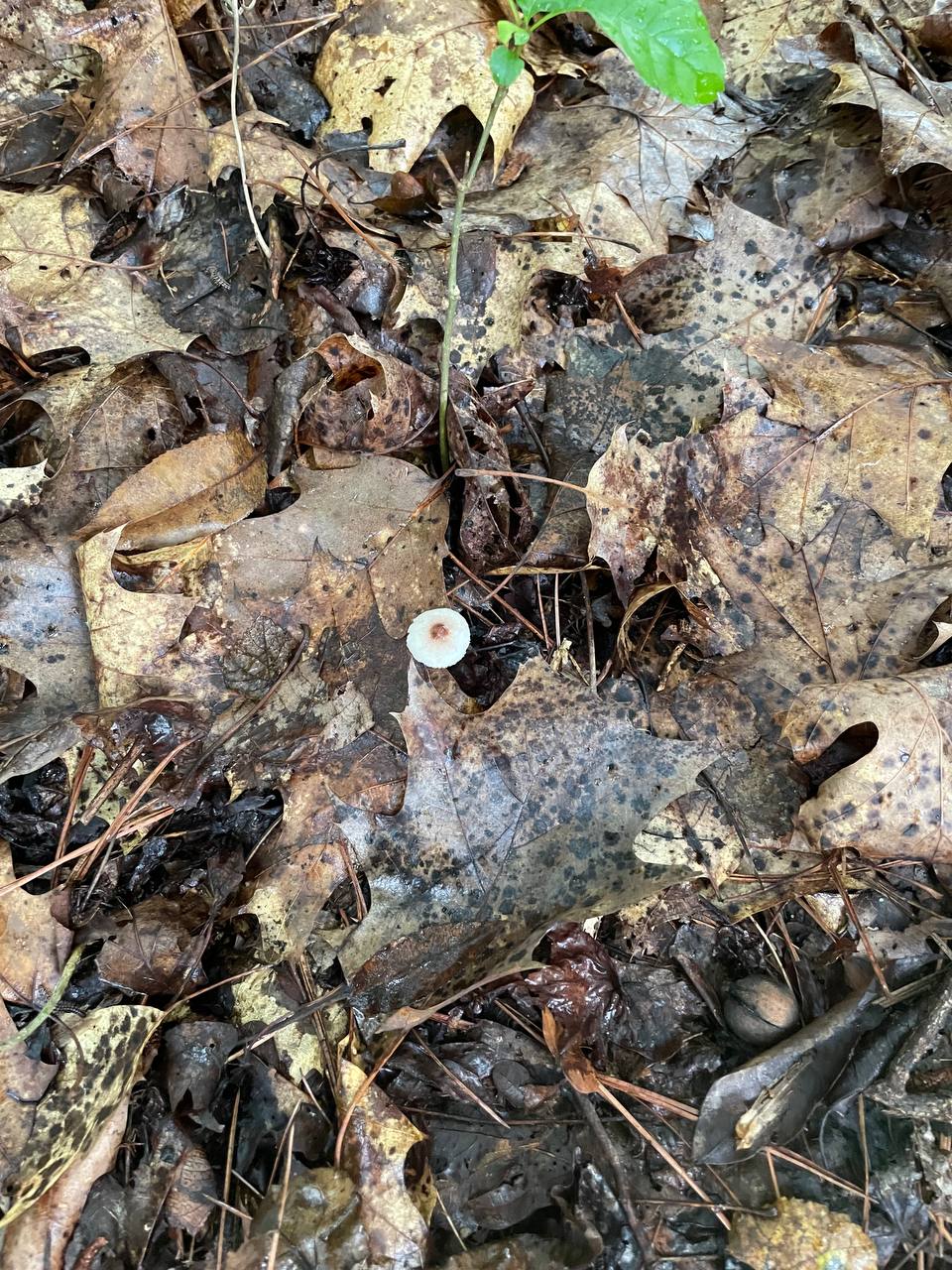
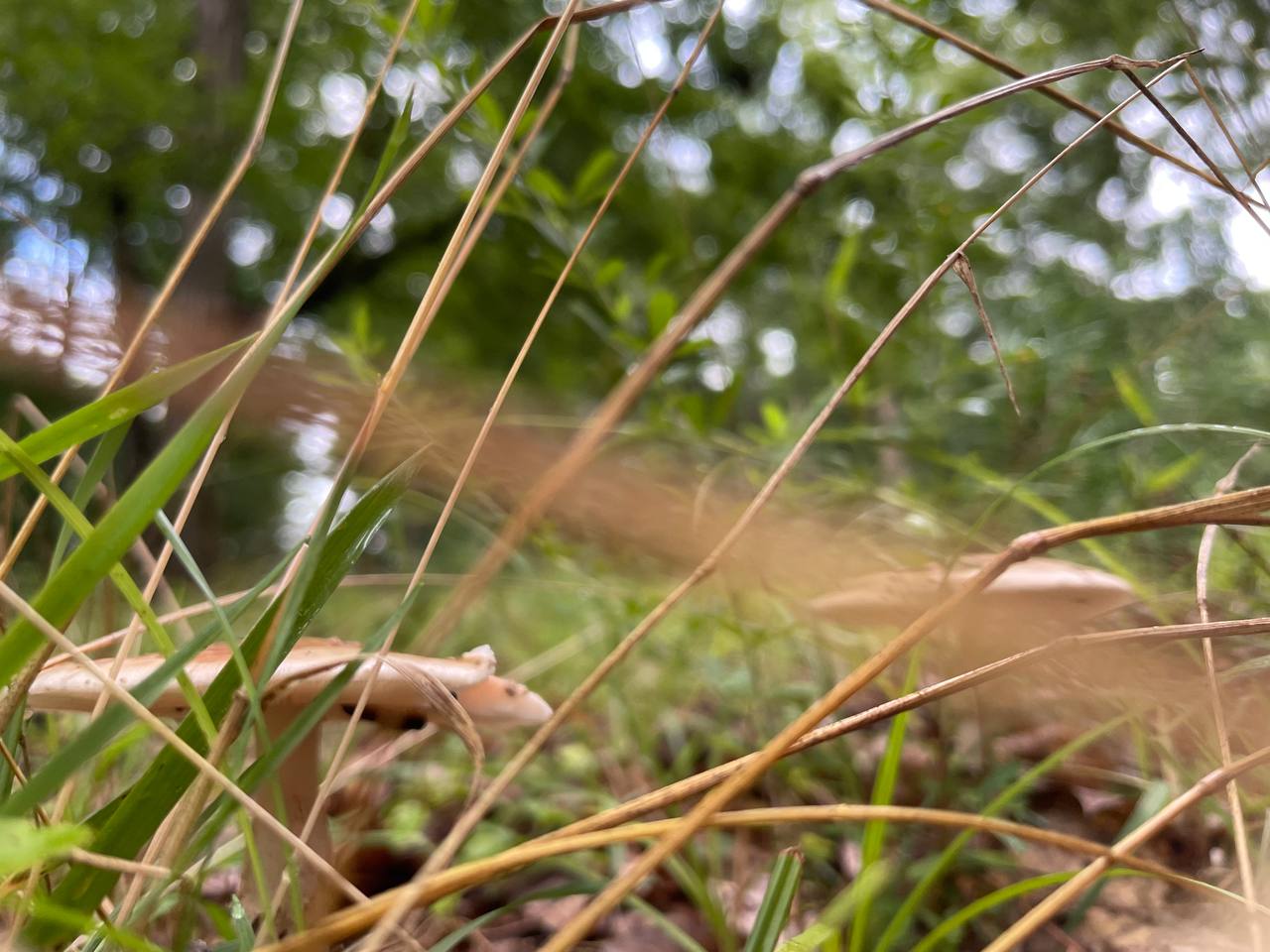
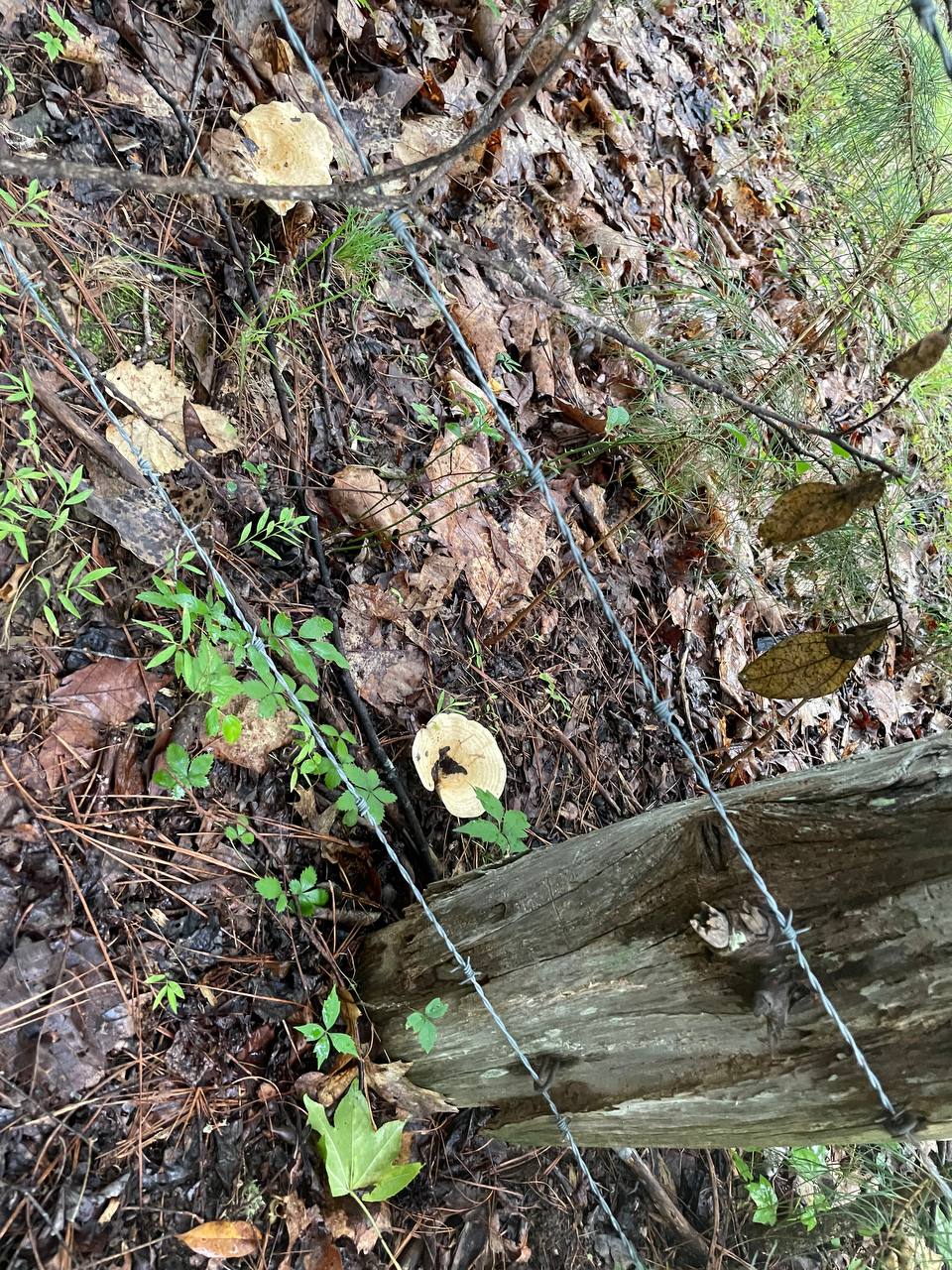
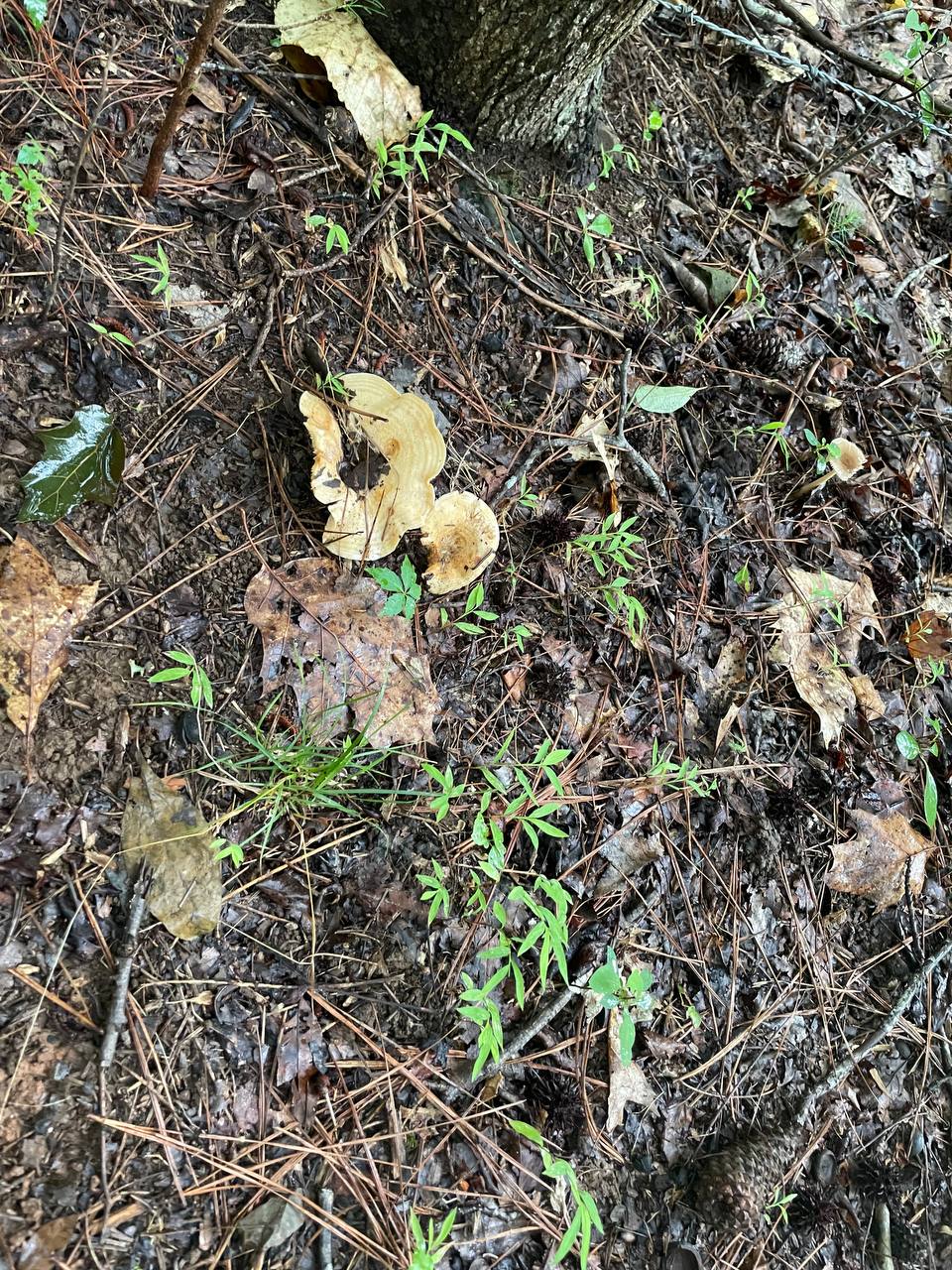
Photos from the property, taken August 4, 2026. Rough observations only — no mushroom should be eaten based on a photo. IDs are guesses from photos alone; confirm with a field guide / spore print / local expert before ever considering edibility.
Photo Gallery
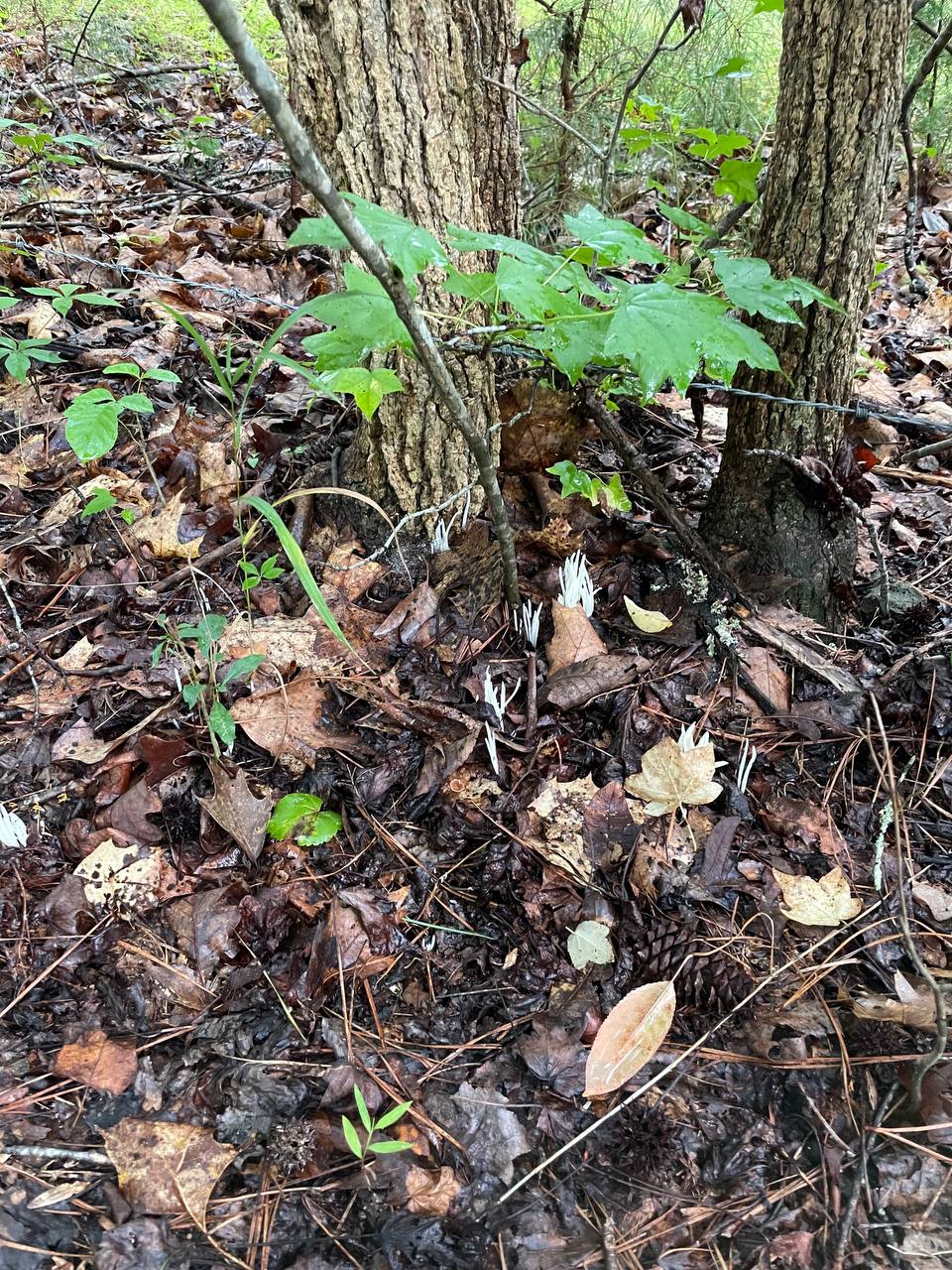
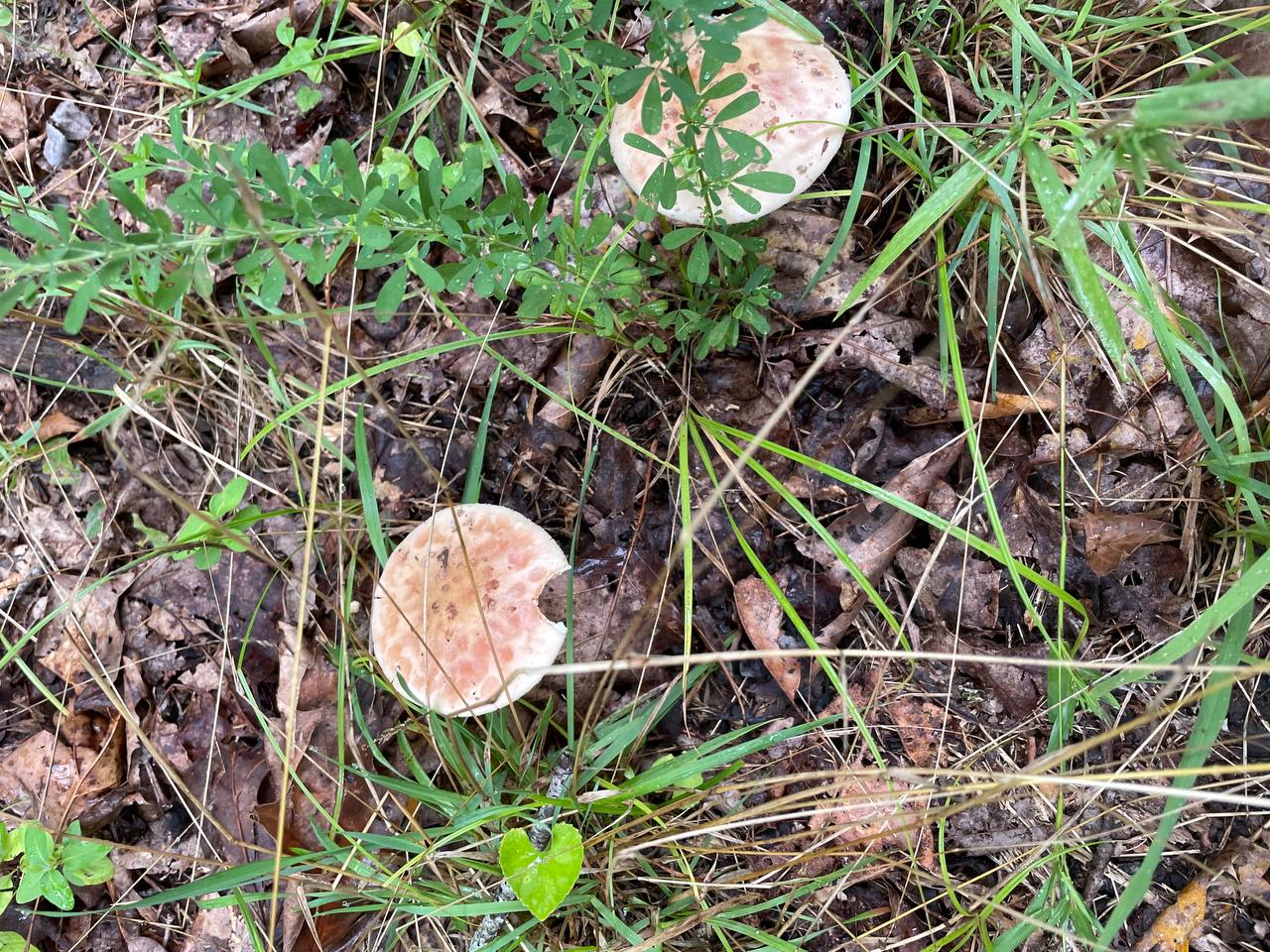
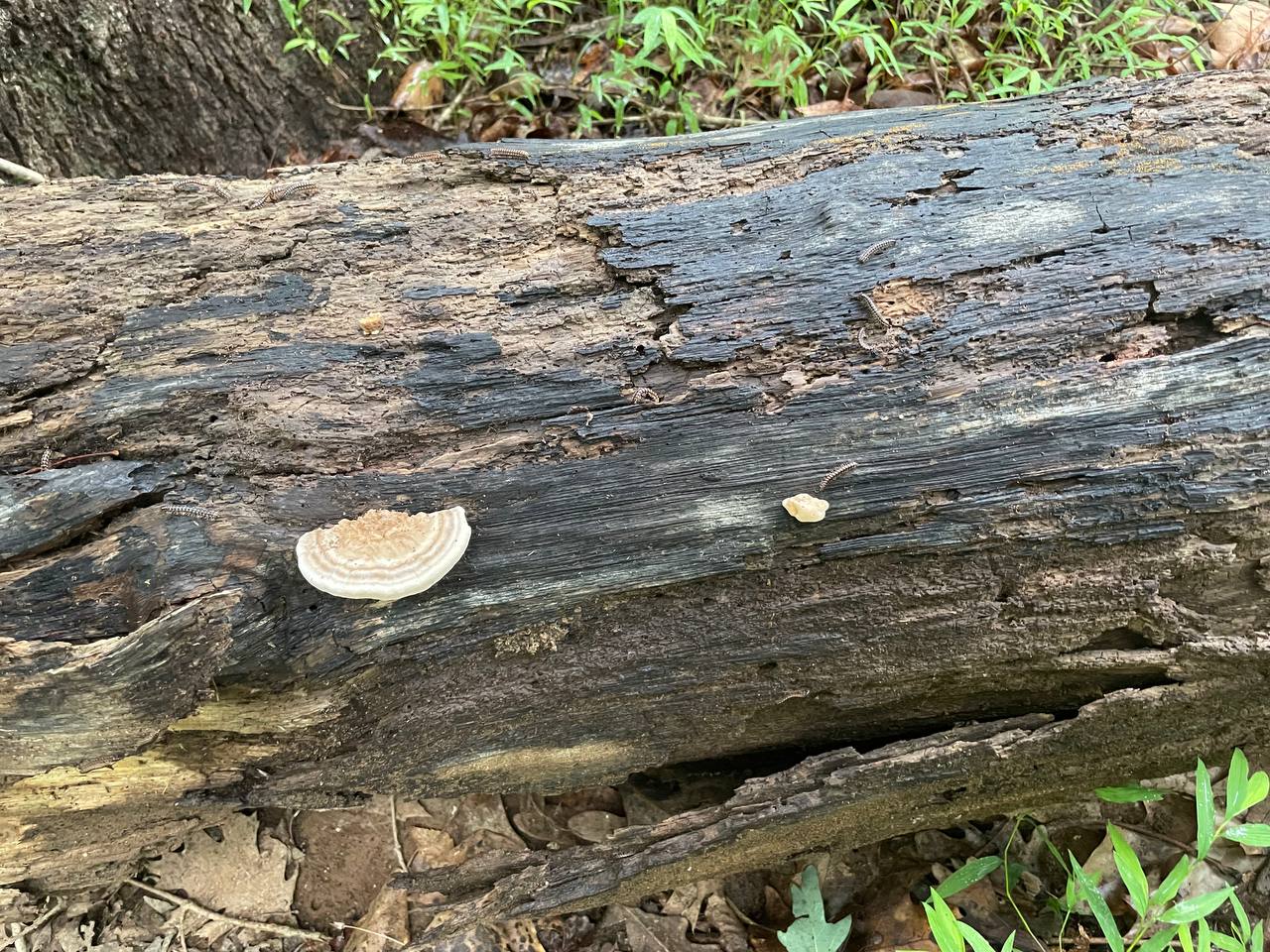
Notes
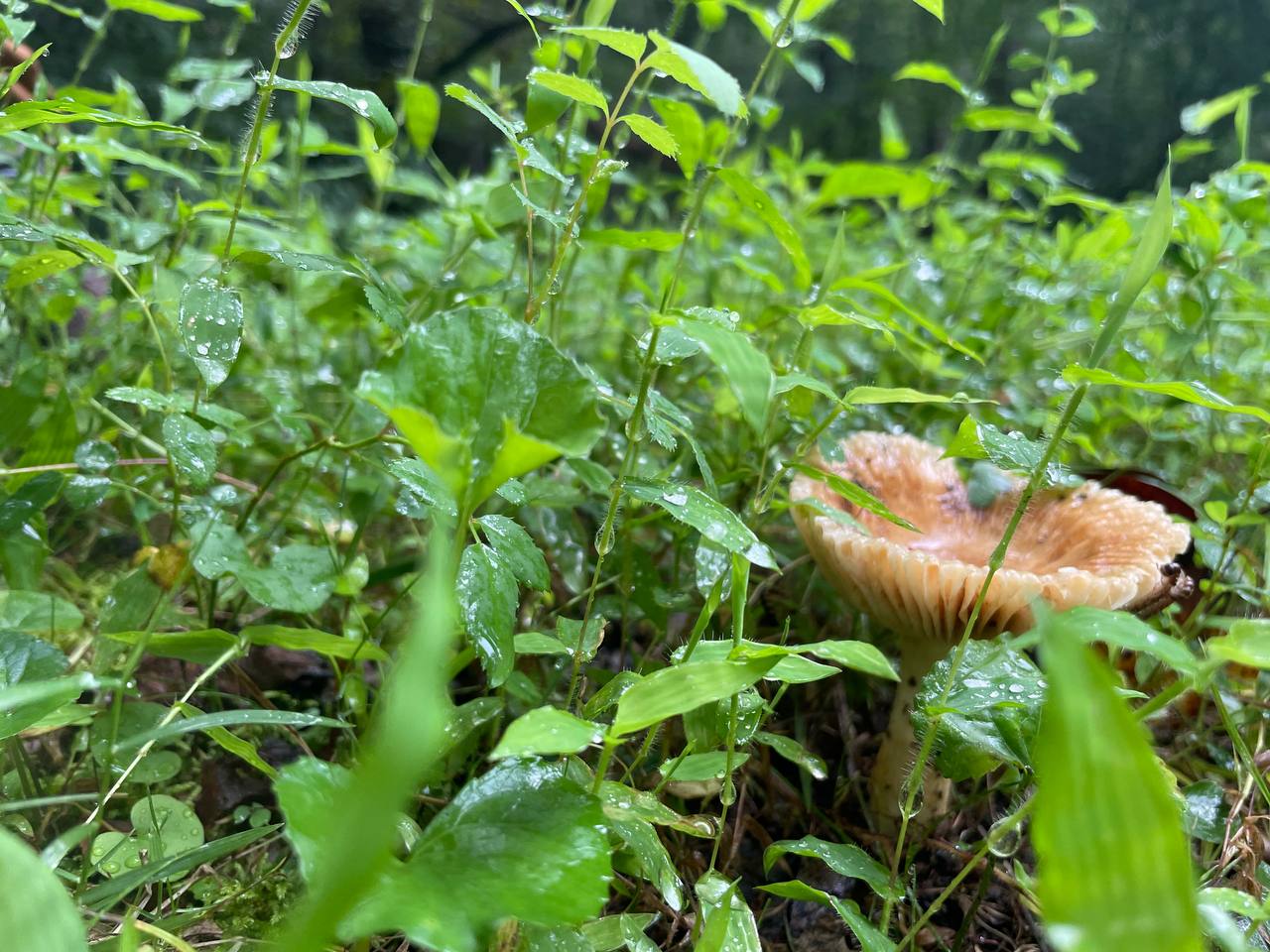
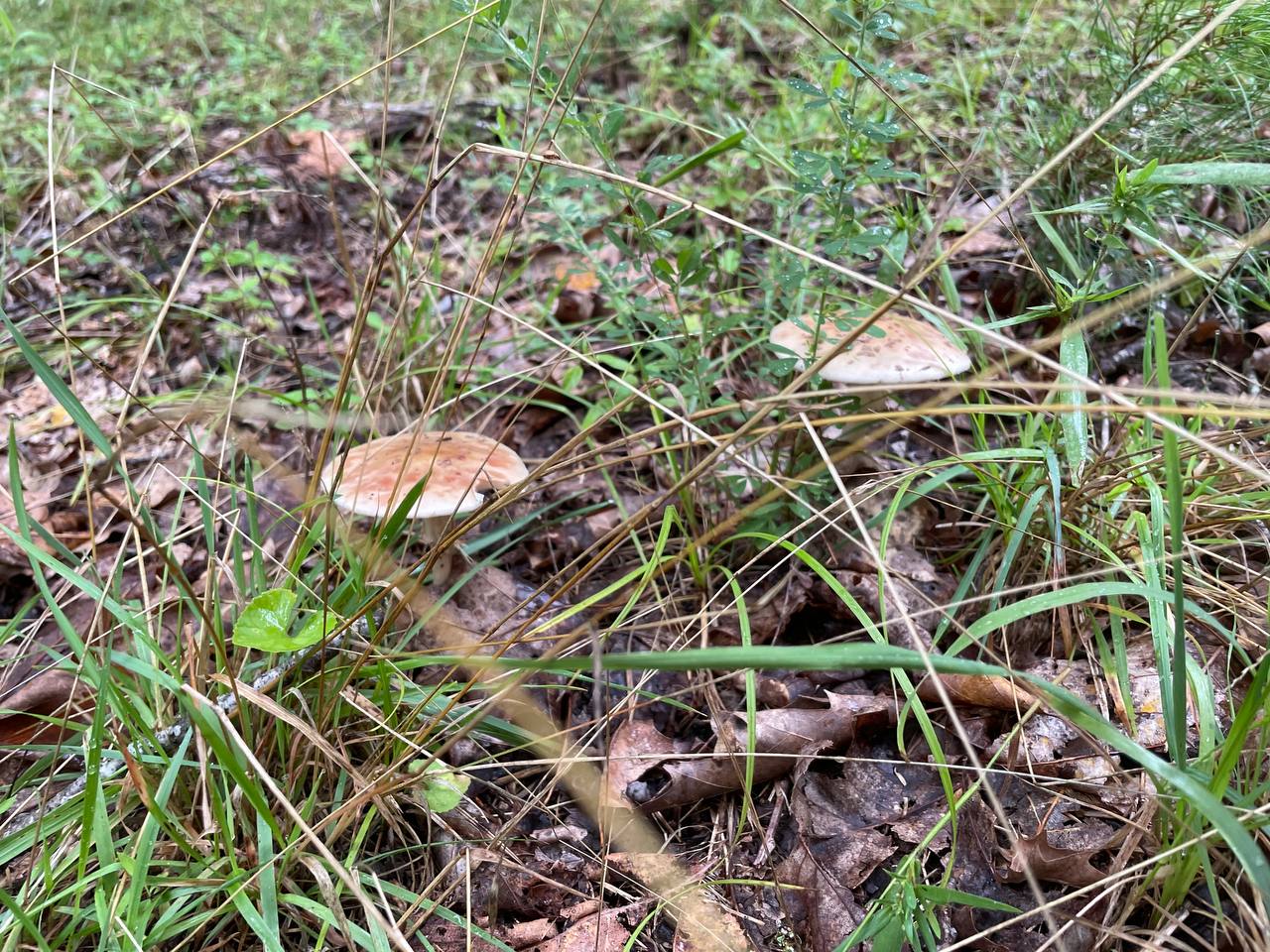
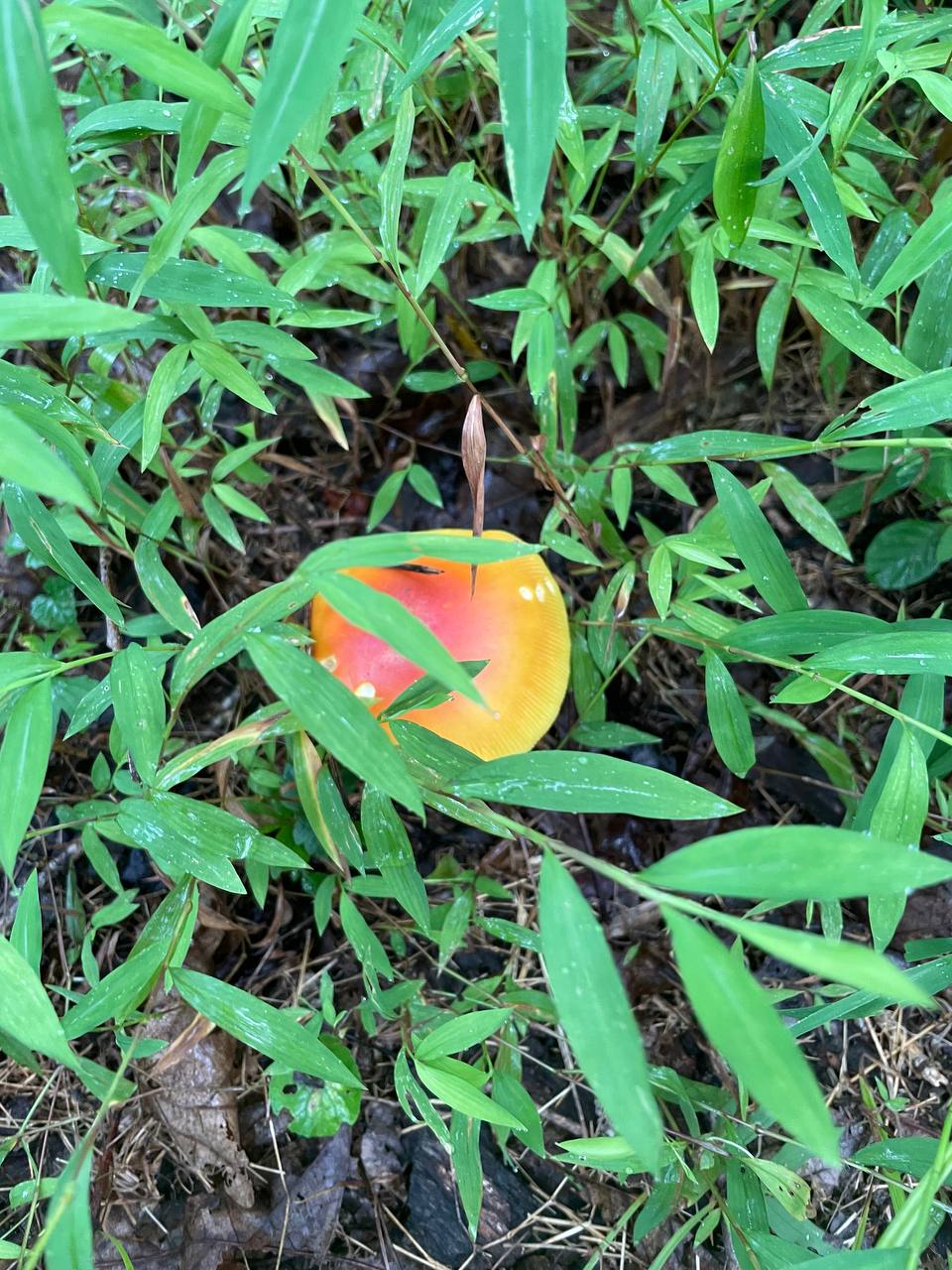
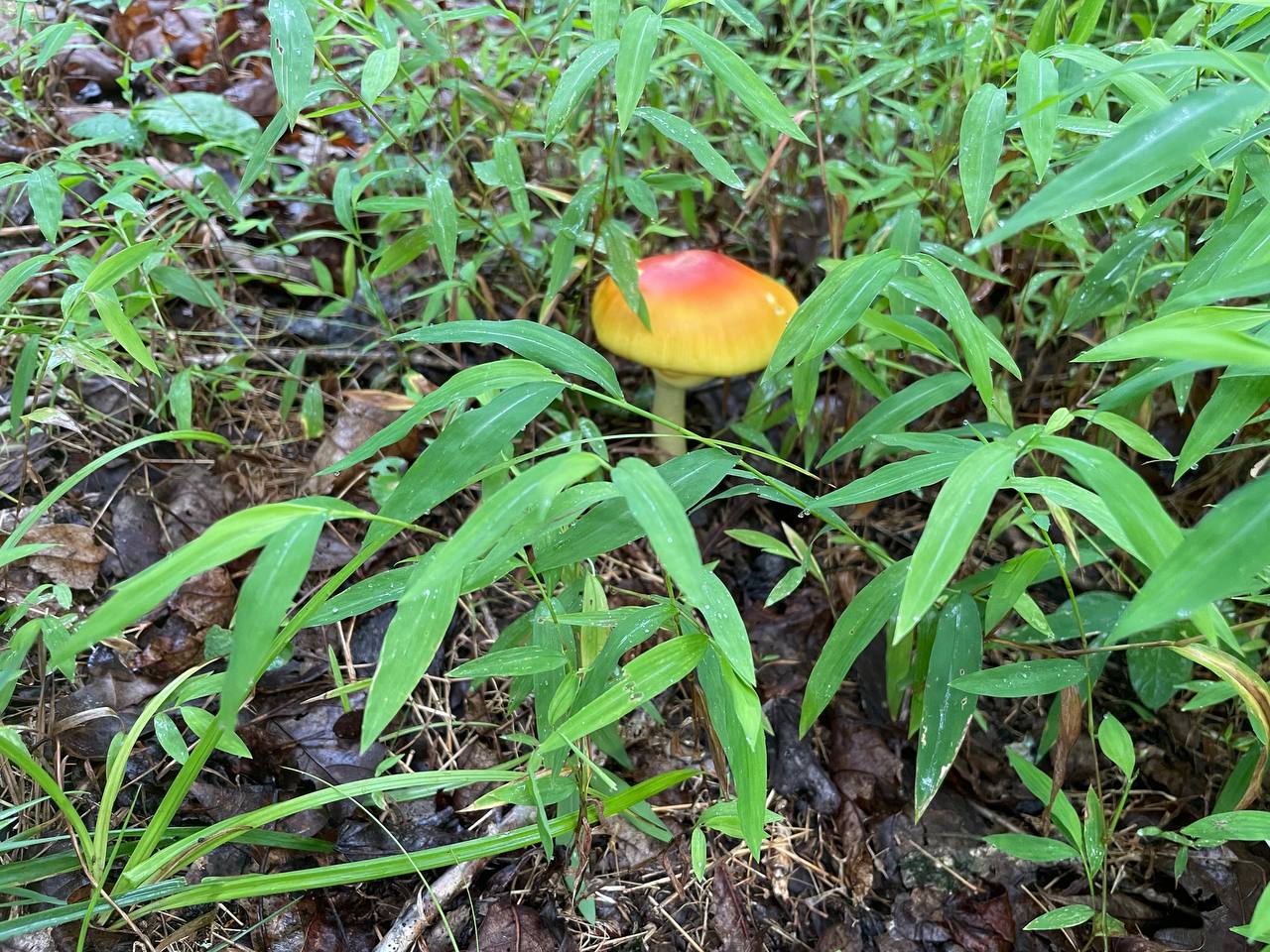
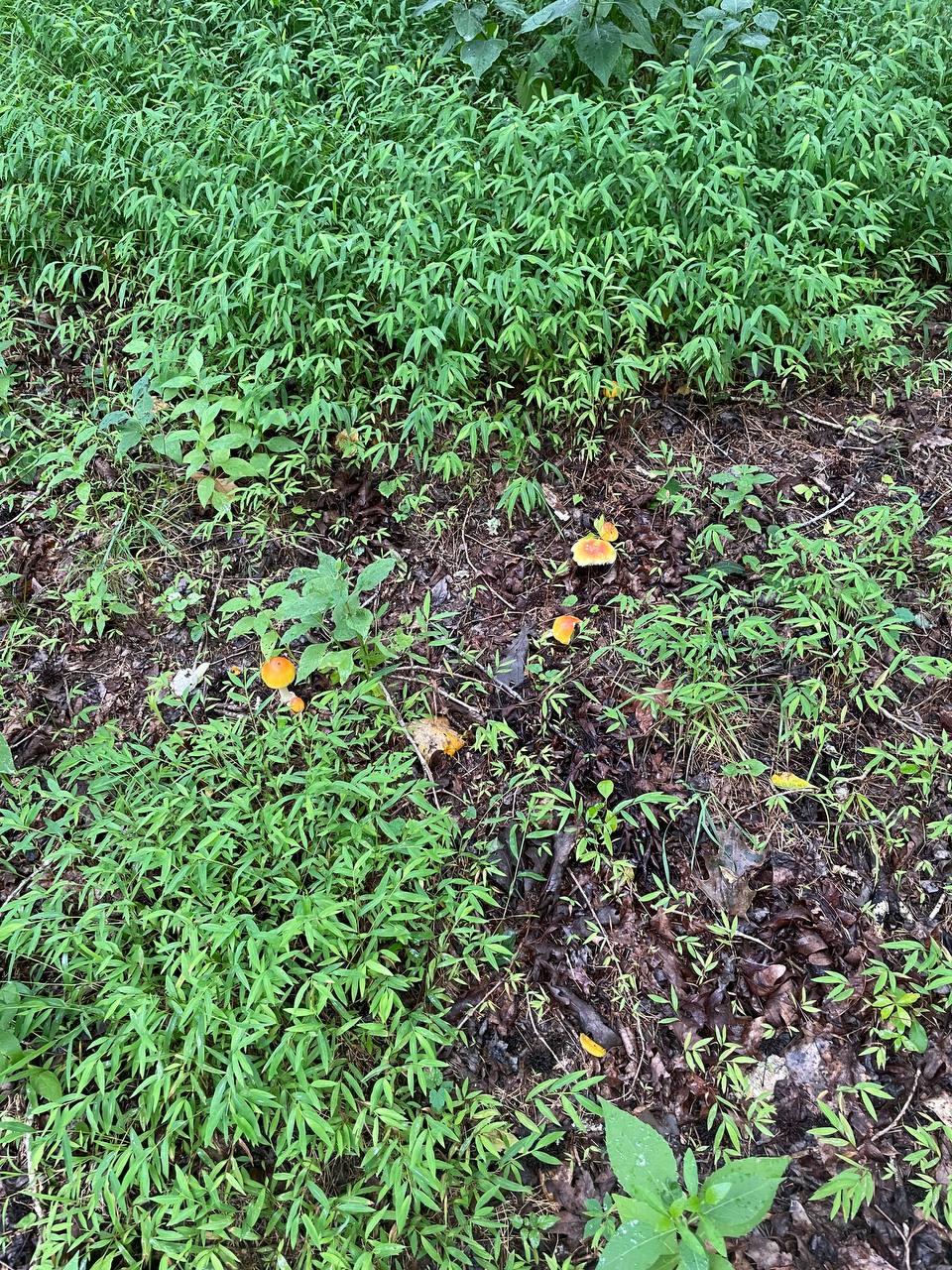
- Red-capped brittlegills (Russula sp.) — several photos show red/orange caps that fade toward the margin. Classic Russula look; the red group includes toxic species (e.g. R. emetica, "The Sickener"). Treat all red Russulas as inedible unless positively identified.
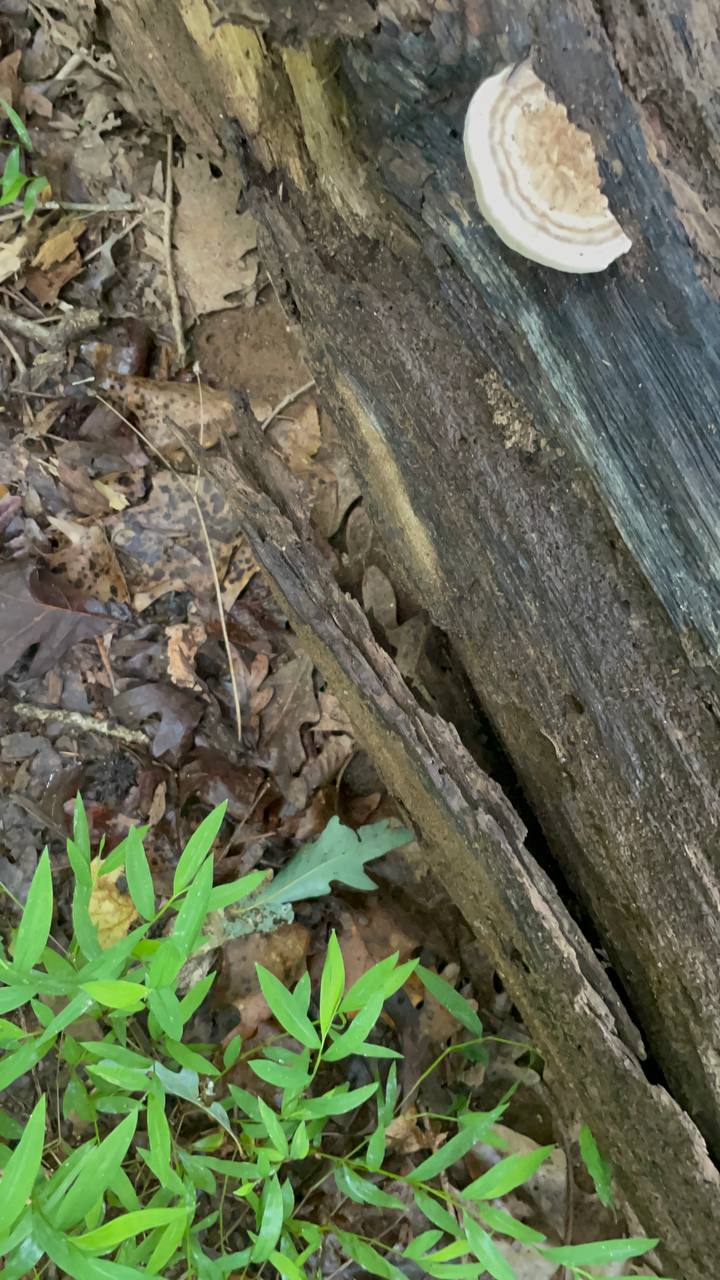
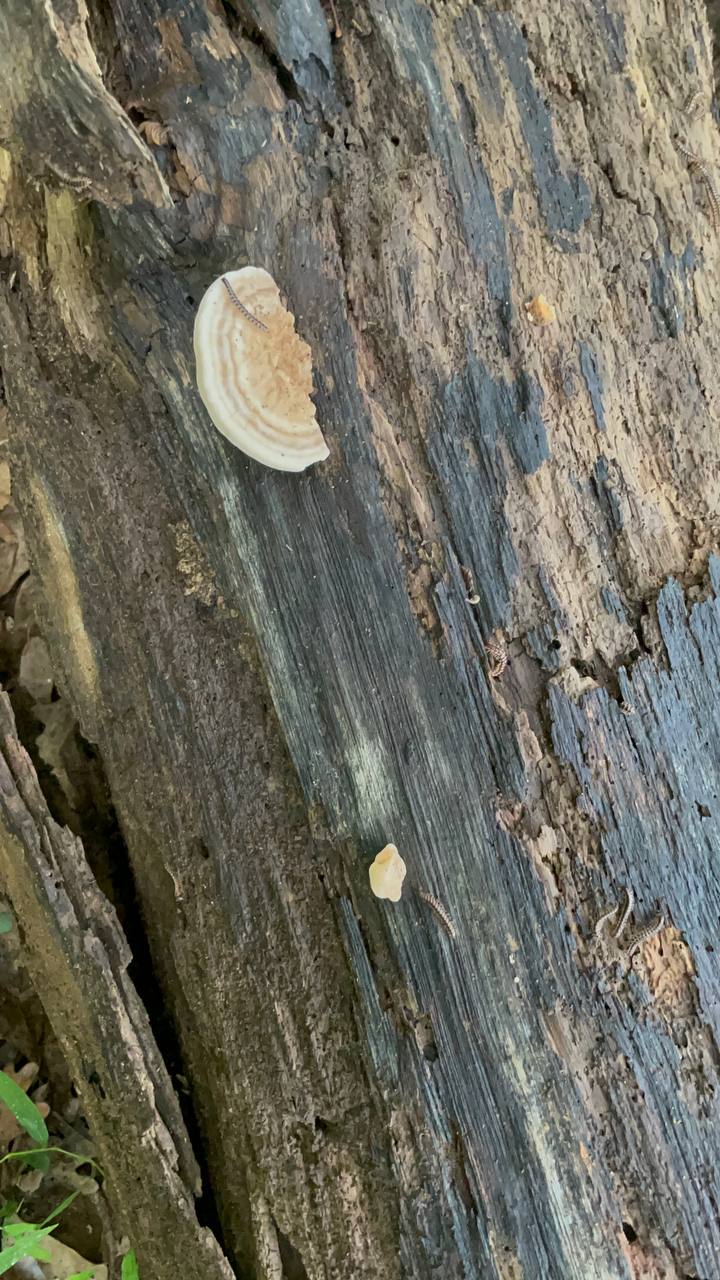
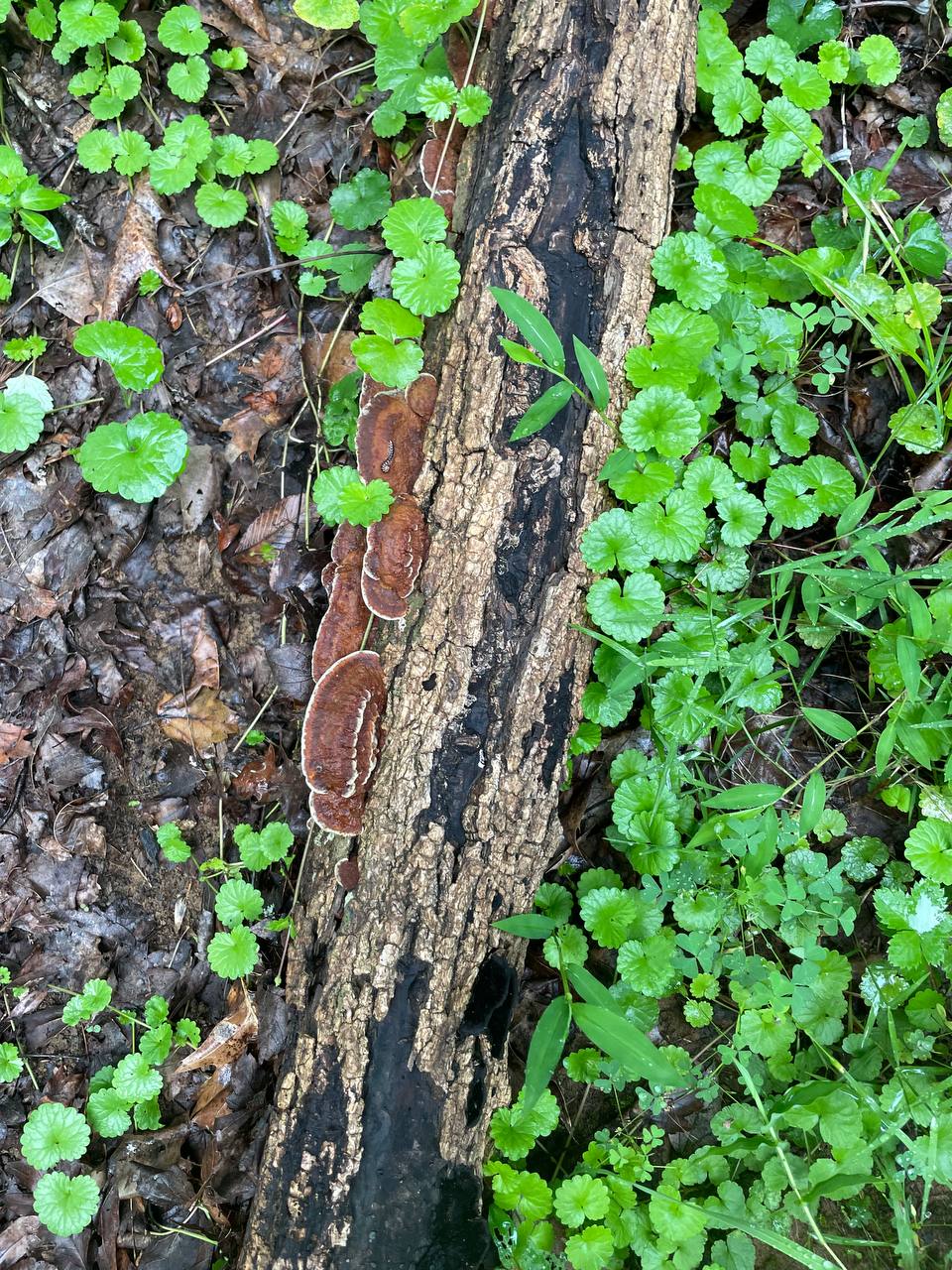
- Turkey tail (Trametes versicolor) — at least one photo shows the classic striped shelf fungus on a fallen log. Not edible (tough), but a good sign of healthy wood decay.
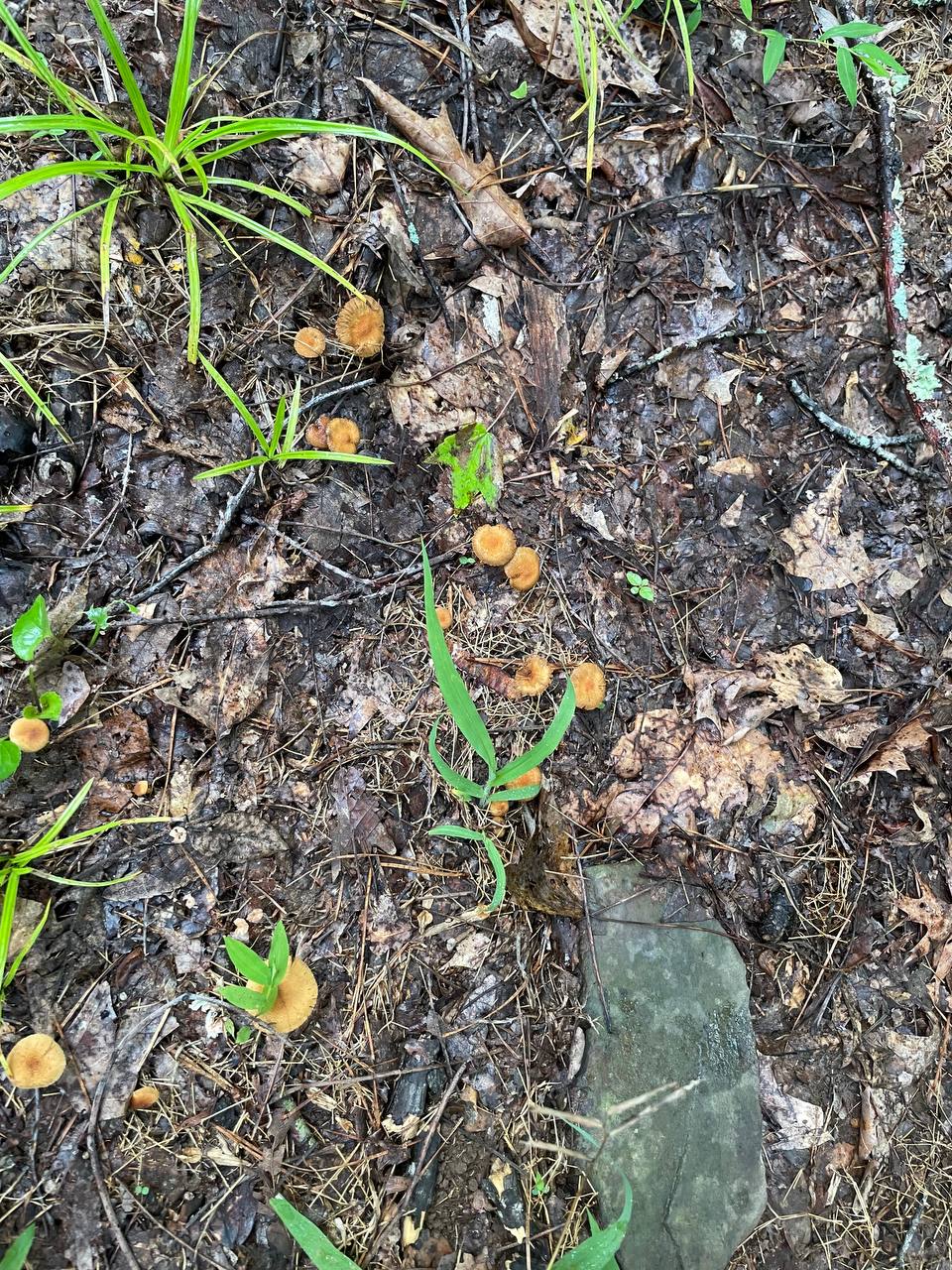
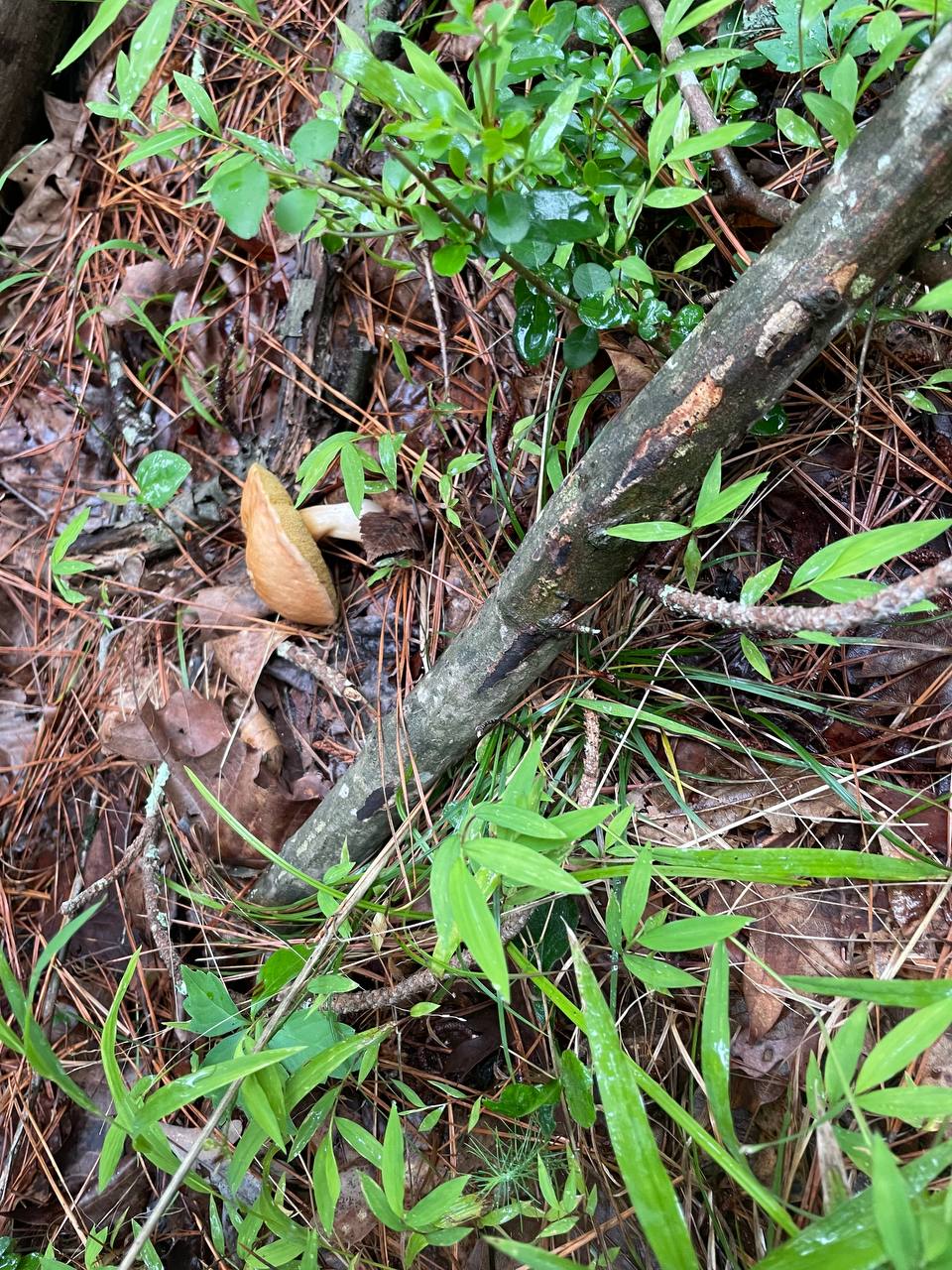
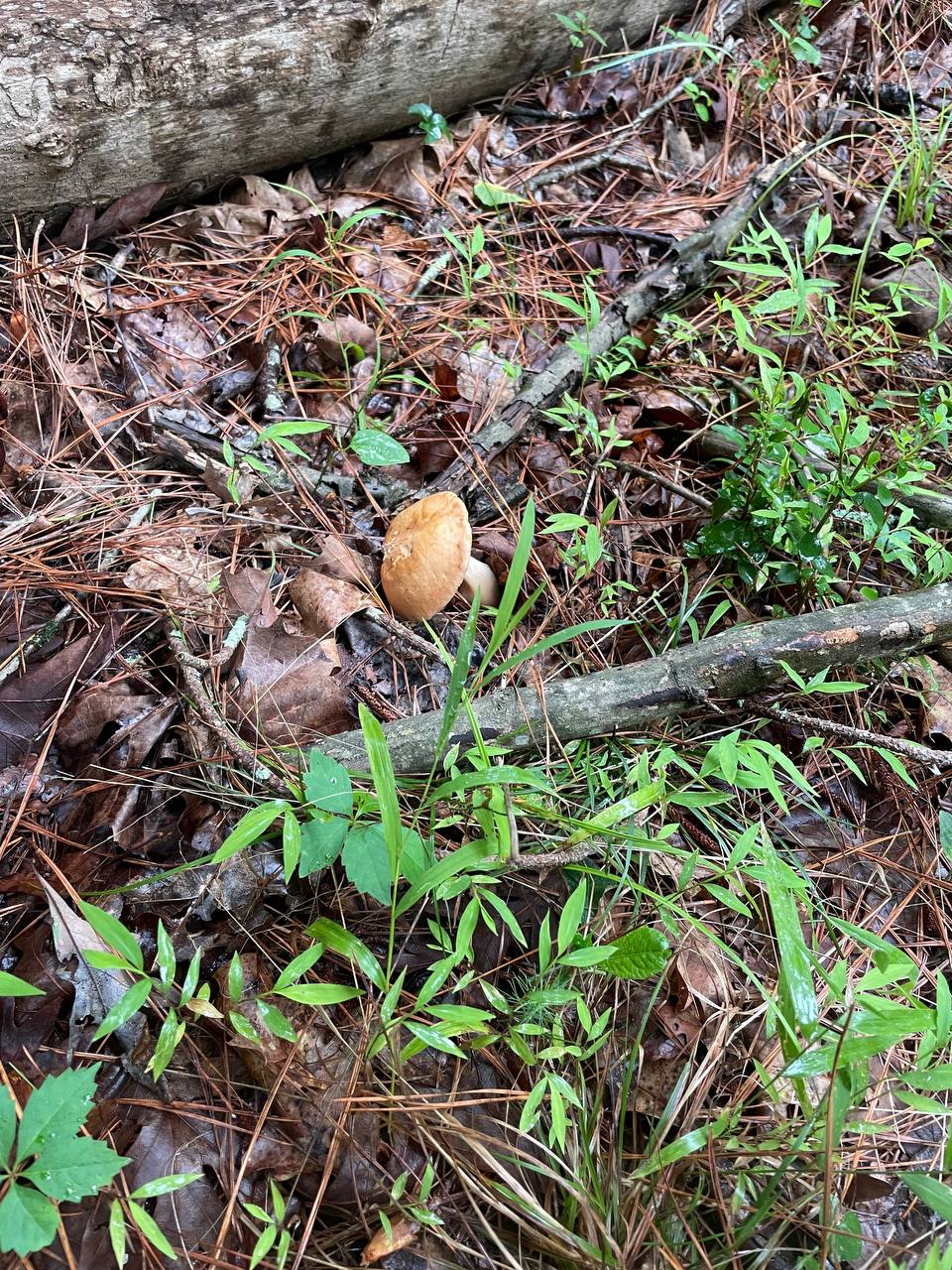
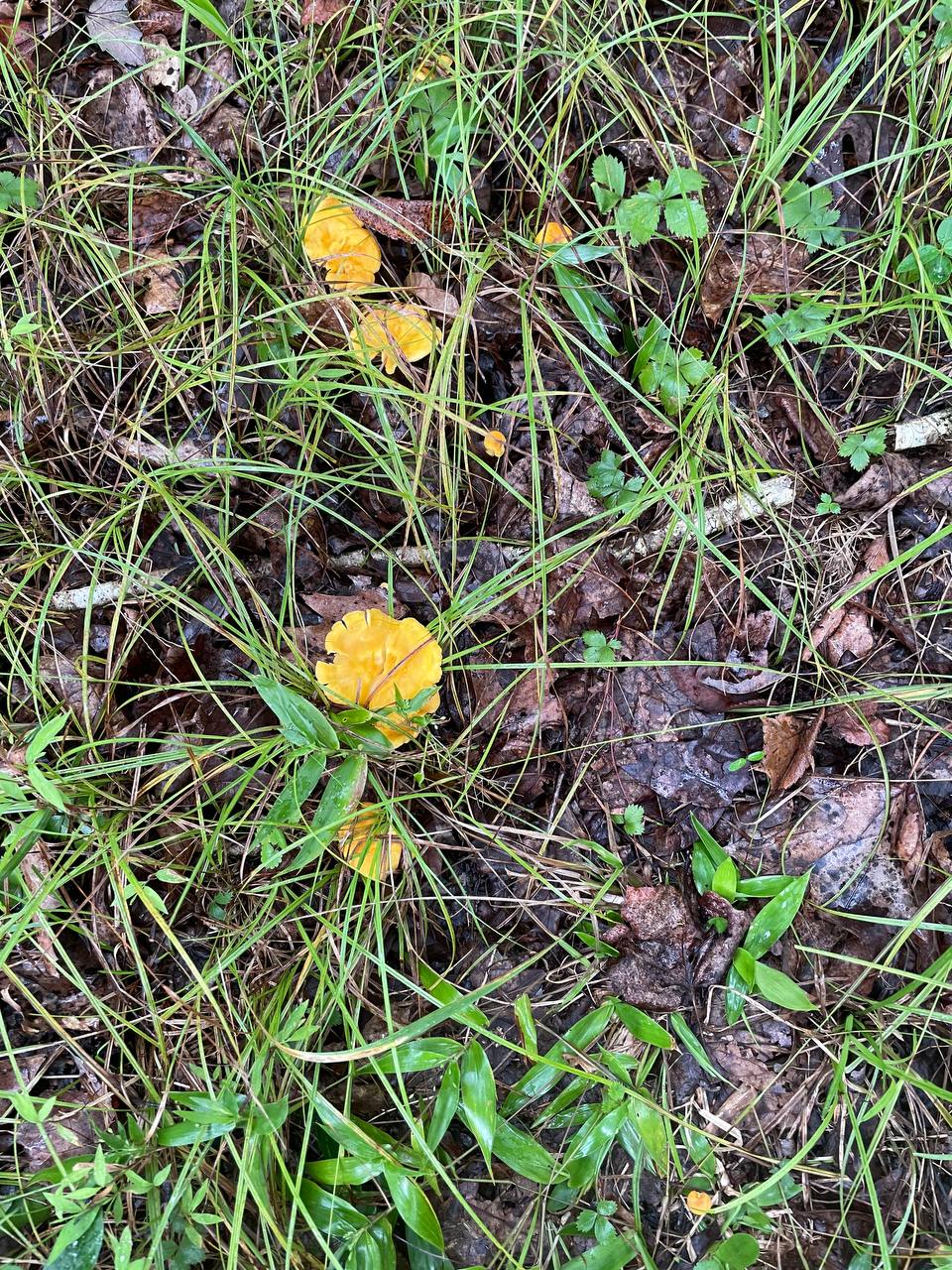
- Small orange-brown litter mushrooms — most of the batch: small tan/orange caps in leaf litter, often clustered. Likely several different species (possibly Laccaria, Gymnopus, or young Russula); not identifiable from photos alone.
- Bracket/shelf fungi — at least one fan-shaped bracket on wood.
Peak season in NC runs roughly September–November. If you keep photographing finds, this page can grow into a property species log.